
Swimming carnivals, school camps and sleepovers are some of the most stressful days of the year for many trans and gender-diverse kids. They involve swimwear, shared change rooms and overnight rooming. A few weeks of planning usually makes them manageable, and often fun.
Talk to the school early, sort out swimwear that feels right (and is safe to swim in), agree on a change-room plan, and pack for privacy. This guide covers each step, with packing lists at the end.
Parents and teens: this guide is written for both of you. The final section is just for young people.
Contact the school two to four weeks before the event. That gives staff time to arrange things quietly, without your child being singled out on the day.
Who to contact. Start with whoever your child trusts most, such as their classroom teacher, year-level coordinator, wellbeing leader or school counsellor. Ask them who is organising the event and whether they can pass your request on.
Agree on privacy first. Before you share anything, ask who will be told and why. Your child should decide how much is shared and with whom. Many families ask that only staff who need to know are told.
Ask about the school's policy. Most Australian schools and education departments have guidance on supporting trans and gender-diverse students, though it varies by state and sector. You don't need to know the details. Asking "what does your policy say?" is a reasonable starting point.
Put what you agree in a short email afterwards, so everyone has the same record.
We've also compiled some conversation scripts for initiating conversations with school about your child transitioning.
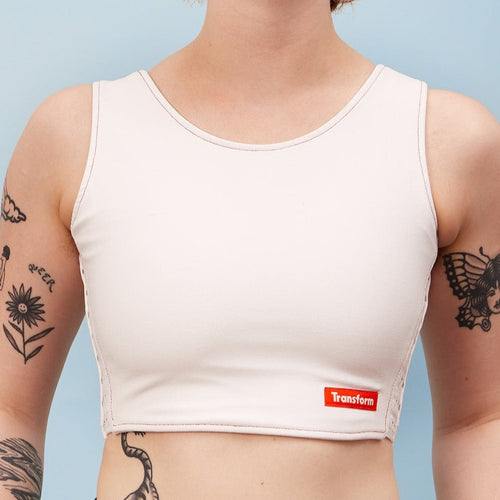
Never swim in an everyday chest binder. Everyday binders aren't made for water. If your child binds, they need a swim binder made from swimwear fabric.
|
Option |
What it does |
Good for |
|
Chest compression in swimwear fabric; sits at the hip for more coverage |
Kids who want their stomach covered too, or who have a lot of chest tissue |
|
|
Same compression; sits at the midriff |
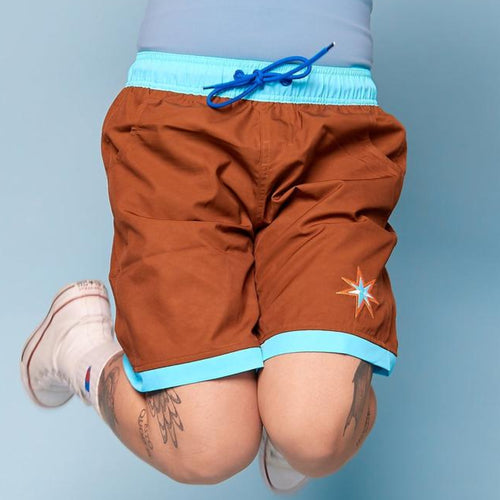
Wearing with high-waisted board shorts or swim trunks |
|
|
Rash guard or swim shirt |
Loose coverage and sun protection over swimwear |
Extra coverage; most schools already allow them |
|
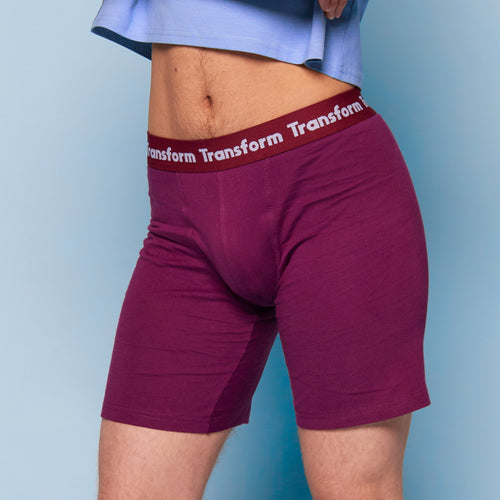
Relaxed fit with more coverage |
Pairing with a swim binder or rash guard |
|
|
A smoother front and a feminine fit |
Trans girls and trans-femme kids |
Fit check before the day. Have your child try the swim binder on at home at least a week ahead. They should move their arms, twist, bend and take several deep breaths. It should feel snug, but it should never pinch, rub or make breathing hard. If it does, it's probably too small.
Do a test swim if you can. A trip to the local pool before the carnival means no surprises on the day.
Choose the plan with your child, not for them. The best plan is the one they feel comfortable with.
After swimming: take the swim binder off as soon as practical and change into dry clothes. Don't leave a wet binder on all afternoon.
Overnight stays add rooming, showers and sleeping arrangements. These are the parts kids worry about most.
Rooming. Ask the school how rooms are allocated and whether your child can room with friends they trust. If shared rooms feel unsafe, ask about other options.
Showers. Ask whether there are private showers or whether your child can shower at a set time when no one else is there. A changing robe helps here too.
Binding overnight. Don't sleep in a chest binder. Pack something comfortable to wear at night instead, such as a loose sports top, a hoodie or a sleep shirt with a busy pattern. Plan for binder breaks during the day as well.
Laundry. Pack enough binders or swim binders to rotate, plus a small wet bag for anything damp.
Sleepovers. These are usually easier because there are fewer people and you can talk to the host parent directly. Things to sort out with your child first:
Agree on a code word or text your child can send if they want to leave. That way they never have to explain in front of anyone.
It's your body and your day, so the plan should work for you.
If you want to talk to someone who gets it, QLife (1800 184 527, 3pm to 9pm) and Kids Helpline (1800 55 1800, any time) are free.
Transform Transwear is a clothing business. This guide is general information, not medical advice. Here is a list of support services.