
Tucking is the practice of arranging your genitals — typically the penis and scrotum — so they’re less visible under clothing. For many trans women, trans femme, and nonbinary people, tucking is a meaningful part of feeling comfortable and confident in their body and the clothes they choose to wear.
If you’re new to tucking, or just curious about what it involves, this guide covers everything you need to know — including how to do it, how to do it safely, and what to wear to make it easier.
People tuck for all kinds of reasons. Some tuck every day as part of their routine. Others tuck for specific occasions — a night out, a job interview, a day at the beach. Some people find it reduces gender dysphoria significantly. Others tuck because it simply makes them feel more like themselves in certain outfits.
There’s no right or wrong reason. If it works for you, that’s enough.
The most common method involves three steps. Go gently — this should never hurt. If something feels painful or uncomfortable at any point, stop.
As with most things, it gets easier with practice. Many people find the first few times feel a bit fiddly, and then it becomes quick and routine.
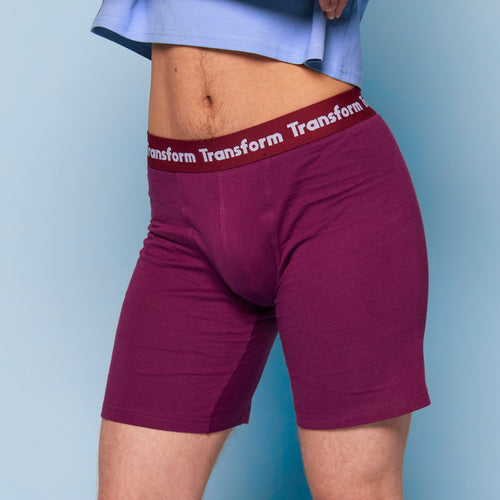
A gaff is a compression undergarment designed to hold a tuck in place. It’s the most widely recommended method because it’s comfortable for extended wear, easy to remove, breathable, and kinder to your skin than tape.
Gaffs come in a range of styles — from plain and everyday to more femme designs — and most look just like regular underwear from the outside.
Some people use tape to secure a tuck. We don’t recommend it. Tape — even tape marketed for body use — can cause significant skin damage when removed, particularly in sensitive areas. It also can’t be easily adjusted and isn’t suitable for long wear.
If you’ve tried tape in the past and found it uncomfortable or painful to remove, a gaff is worth trying as an alternative.
Yes — tucking is generally safe when done carefully and with appropriate garments. The main risks are skin irritation and discomfort from extended wear or poor-fitting garments.
To tuck safely:
If you have any existing health conditions or concerns, it’s worth speaking to a GP or healthcare provider who is experienced in trans health.
Swimming while tucked can be tricky — water, movement, and the practicalities of getting changed can make it harder to maintain a tuck comfortably. Some people manage it well with a firm-fitting swimsuit; others find it more stressful than it’s worth on a day at the beach.
If you’d like to swim without worrying about tucking, our trans femme swimwear is designed with that in mind. Our tankini top and swim skort offer a feminine silhouette and built-in coverage that many people find gives them the confidence to swim freely without needing to tuck at all.
Browse our trans femme swimwear collection.
Coming soon: Hip & Tuck underwear and leggings
We’re currently developing our own range of Hip & Tuck underwear and leggings — designed specifically for trans femme and nonbinary people who want comfortable, everyday tucking garments that fit well and feel good. And they come with removable hip padding.
Like everything we make, they’ll be built with the community in mind, tested with real people before we go to production.
Sign up to hear first when these products launch.
No — tucking should not hurt. If it does, stop immediately. Pain usually means something is being forced or the garment is too tight. Tucking takes a little practice to get right, but once you’ve found a method and fit that works for your body, it should feel comfortable.
There’s no fixed rule, but most people take breaks throughout the day, especially in warm weather or during exercise. Avoid sleeping while tucked. Listen to your body — if something starts to feel uncomfortable, take a break.
A gaff is a type of compression underwear designed to hold a tuck in place. It looks similar to regular underwear from the outside. Gaffs are the most comfortable and skin-friendly tucking method and are recommended over tape.
Yes. Tucking is commonly practised before any surgical procedures and is a completely separate choice. Many people tuck long-term without pursuing surgery; others use tucking while they’re on a waiting list or saving for surgery. It’s entirely your decision.
Light activity is generally fine. For higher-intensity exercise, or anything that causes significant sweating, most people find it more comfortable to take a break from tucking. Good breathable garments help. Always prioritise comfort over appearance during physical activity.