







Clothing is often dismissed as superficial, but for gender-diverse people it can play a meaningful role in mental health and overall wellbeing. What we wear influences how we move through the world, how safe we feel in our bodies, and how much mental energy we spend managing discomfort or distress.
Comfort Reduces Daily Stress
Wearing clothing that aligns with one’s gender identity can ease dysphoria and reduce the constant self-monitoring many trans and gender-diverse people experience. When clothing fits well and affirms the body, it can lessen anxiety about appearance, posture, or how others might perceive you.
This reduction in day-to-day stress frees up emotional energy for living — learning, working, socialising, and simply being present.
Confidence Builds Resilience
Feeling comfortable in your body can support confidence across many areas of life, including school, work, social situations, and physical activity. When clothing supports rather than undermines self-expression, it becomes easier to engage with the world and participate fully.
Over time, these moments of comfort and confidence help build resilience — reinforcing the sense that you deserve to take up space and be seen as you are.
Small Changes Can Have a Big Impact
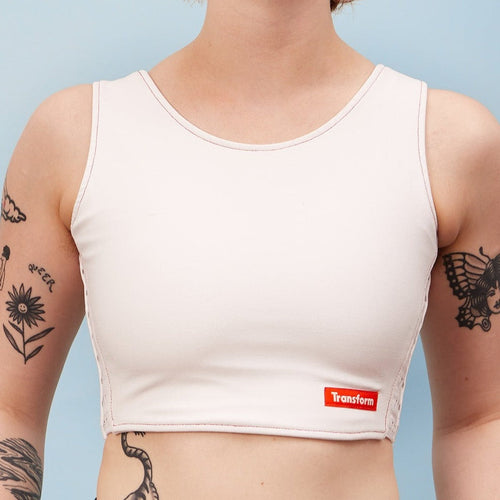
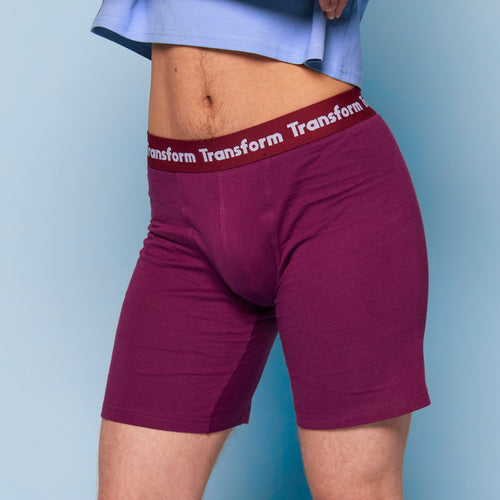
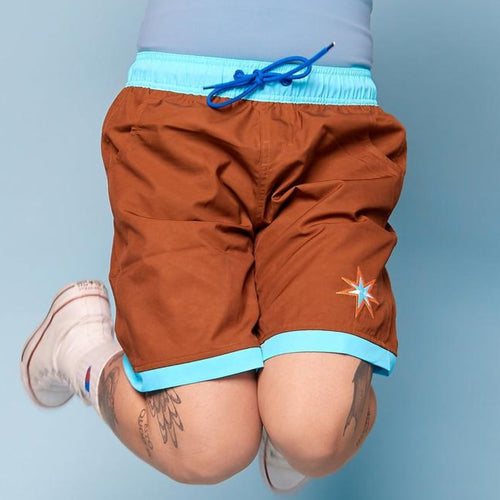
Gender-affirming clothing doesn’t have to be dramatic to be powerful. Supportive underwear, well-designed binders, compression garments, and inclusive swimwear can make everyday activities feel safer and more accessible.
Being able to swim, exercise, attend events, or leave the house without heightened dysphoria can significantly improve quality of life. These small, practical changes often have a cumulative and deeply positive effect on wellbeing.
Not About Hiding — About Feeling Safe
Gender-affirming clothing is not about concealing identity or meeting external expectations. It’s about choice, comfort, and safety. For many people, these garments provide a sense of control over how their body feels and how they navigate public spaces.
Feeling safe in your clothing can mean feeling safer in the world — especially in environments that may not always be affirming.
Affirmation Is Healthcare Too
Mental wellbeing is shaped by daily experiences, not just clinical settings. The ability to dress in ways that affirm identity can be an important part of a broader support system that includes community, mental health care, and social affirmation.
Clothing alone is not a solution — but as part of holistic, gender-affirming care, it can play a meaningful role in supporting dignity, comfort, and mental health every single day.


